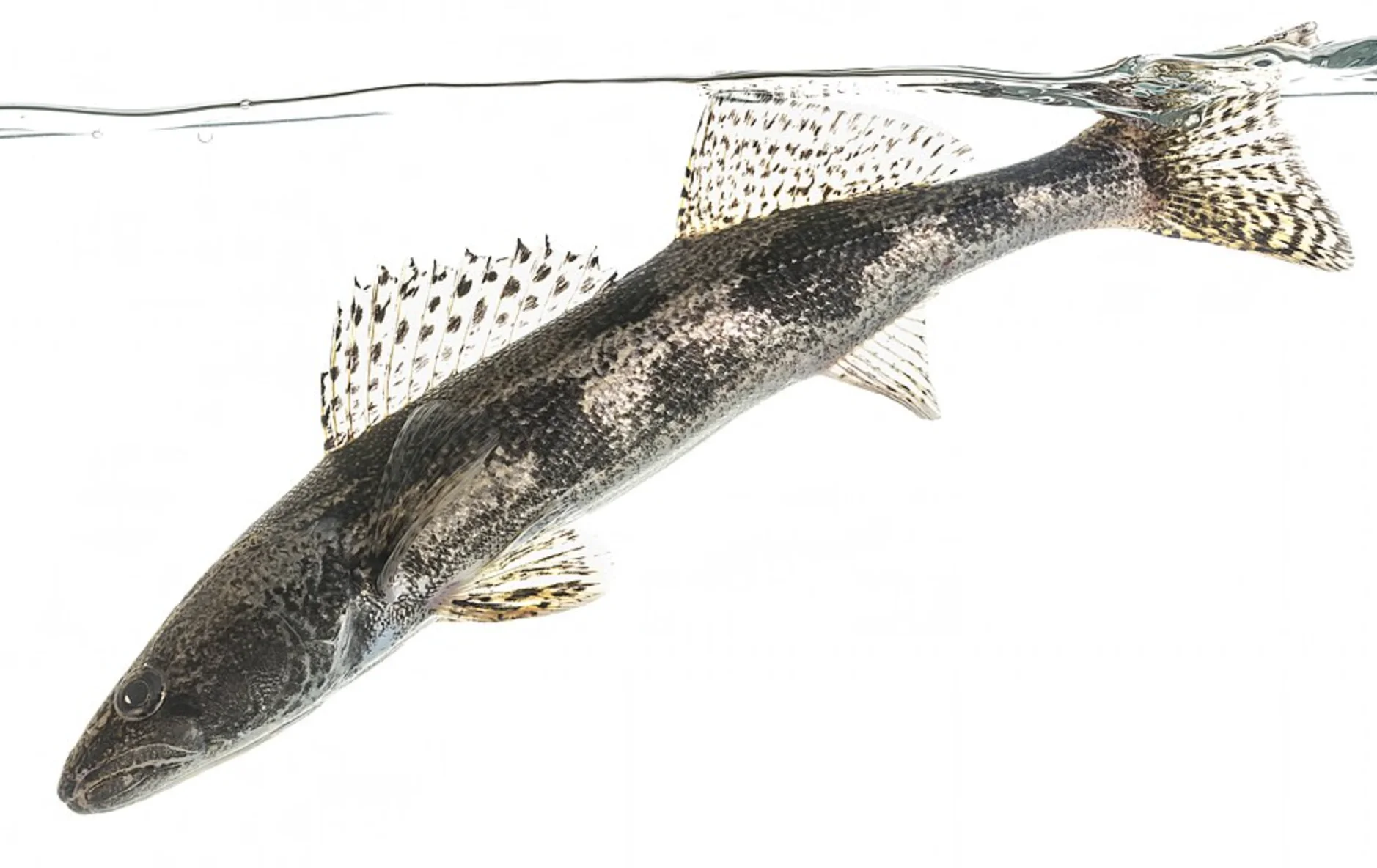
As warmer weather returns to Ohio, anglers are once again chasing saugeye, one of the state’s most popular sport fish. The hybrid, created by crossing female walleye with male sauger, is prized for its aggressive bite and excellent table fare.
Saugeye fisheries continue to thrive thanks to stocking efforts by the Ohio Department of Natural Resources, which releases roughly 25 million fry and fingerlings annually into more than 50 reservoirs statewide.
Saugeye made up the largest share of Ohio’s 2025 fish stocking effort, highlighting their importance to recreational fishing.
Spring is prime saugeye season, especially at local reservoirs such as Buckeye Lake and Alum Creek Lake, or with a longer drive, Indian Lake and Grand Lake St. Marys.
For anglers around Buckeye Lake, spring brings a noticeable increase in activity.
“Spring is always the best time of the year. Spring and fall are the two best times, but spring's definitely top,” Katie Wentzel, manager of R&R Bait and Tackle near Buckeye Lake, told the Mount Vernon News.
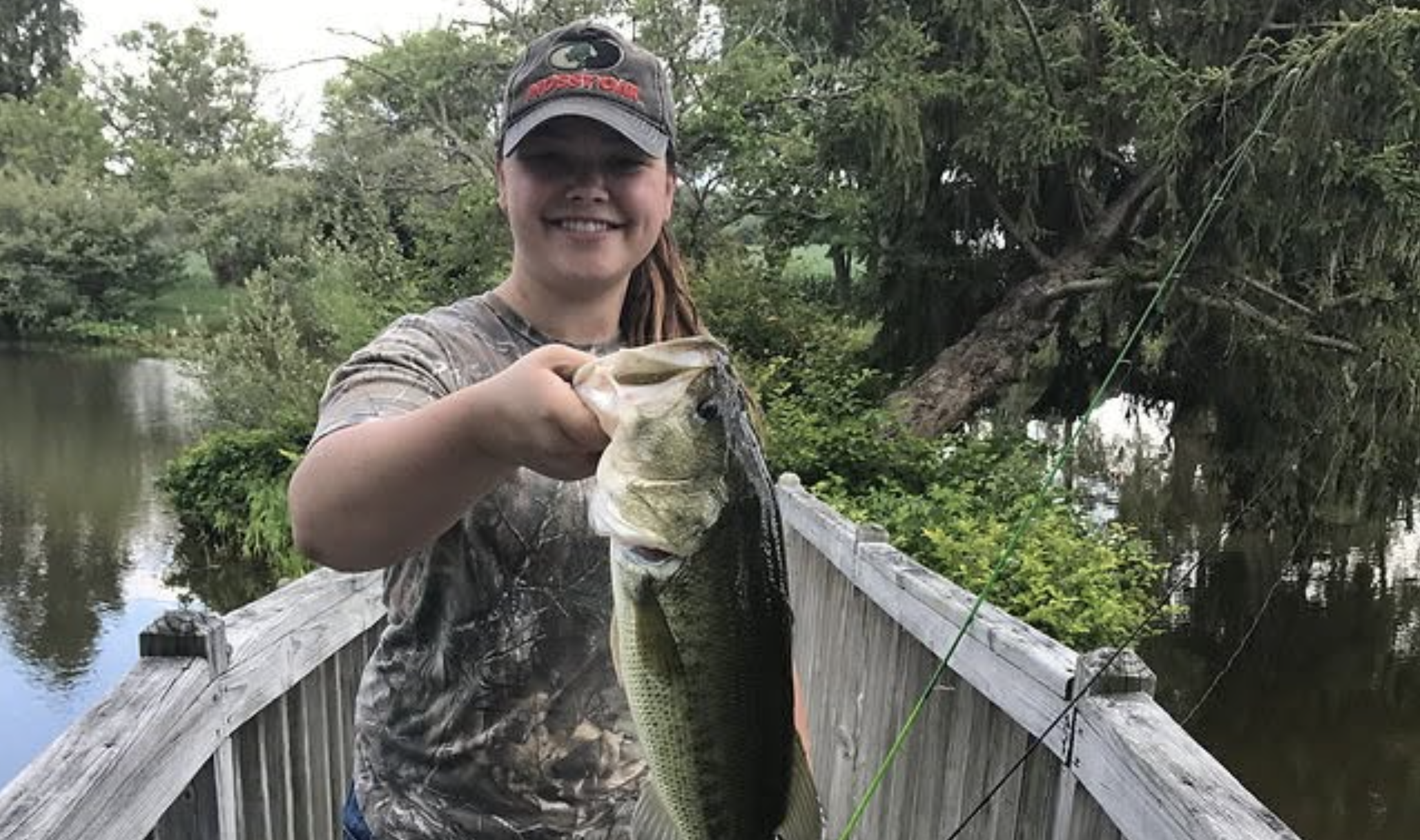
Katie Wentzel, manager of R&R Bait and Tackle near Buckeye Lake, says spring is prime saugeye season as anglers return to Ohio reservoirs. (Katie Wentzel)
R&R Bait and Tackle is a longtime family-owned shop serving Buckeye Lake anglers. Located on Hebron Road, the store carries live, frozen and artificial bait, along with rods, reels and other fishing gear.
Wentzel, who helps operate the longtime family-owned bait shop with her father, said the seasonal surge reflects Buckeye Lake’s reputation as a premier saugeye destination.
“Guys go out there two or three days a week and they're bringing in limits on them,” she said.
Buckeye Lake, covering nearly 2,850 acres, is Ohio’s third-largest inland lake and is often considered among the state’s best saugeye fisheries.
Originally built in 1825 to supply water to Ohio’s canal system, the reservoir now attracts anglers seeking productive spring fishing.
“I believe that Buckeye Lake still ranks in the top for the state on saugeye and crappie boats, so it's definitely one of the top places to go saugeye fishing,” Wentzel said.
Saugeye regulations remain another important consideration for spring anglers.
Rules vary by reservoir, though a daily limit of six fish is generally allowed.
Recent changes removed minimum length requirements at several lakes, including Buckeye Lake.
Wentzel said the rule changes have given anglers more flexibility while maintaining the same daily harvest limit.
“In this lake you can take any length saugeye as long as you only keep your regular six quantity,” Wentzel said.
She said boat fishing often gives anglers an advantage on the shallow lake.
“I can say I prefer boat fishing out here myself, just because you get more access to where the saugeye stay,” she said.
That access can matter because saugeye frequently shift locations.
“Mostly, it's a bunch of retired old guys that are regulars,” Wentzel said. “They come in at the same time every day, and they go home with their limits and eat their fish. Or the fast fishermen or guys with boats docked and stuff. They're out every day fishing.”
Anglers often target drop-offs, rocky shorelines, underwater humps and points, particularly during low-light periods around sunrise and sunset when the fish feed most actively.
“They move around a lot. It is a very shallow lake,” Wentzel said.
When it comes to bait for saugeye fishing, Wentzel said simplicity often wins.
“If you want live bait, I'd say bass minnows are always the best way,” she said. “They're nice, healthy. A saueye has a big mouth. They want a big steak to put in it, not a little niblet. So you use big things like the larger bass minnows we sell.”
Artificial options remain popular as well.
“A blade bait, it's a Vib'E', they're usually like a quarter ounce or maybe three sixteenths out here is the most popular, and we sell more than we can typically keep a stock of those,” Wentzel said.
She also pointed to soft plastics as reliable producers.
“Big Joshy is a soft plastic. It's a paddle tail. You just use a weighted jig head with that, and those are usually really popular,” Wentzel said. “I sell a lot of those, too.”
For newcomers, Wentzel recommends keeping rigs uncomplicated.
“Those Vib'E's, you just tie the Vib'E' on. You don't need to have anything else,” she said. “There's some really basic things, honestly, that are really great for saugeye.”
Gear selection, she added, often comes down to personal preference rather than expense.
“Myself, I use an open face, which is where you flip the bail, and then when you click the handle, it flips the bail back open instead of like the push button or the bait casters,” Wentzel said. “I have an expensive one, but you don't have to have anything expensive to catch fish.”
Line choice varies by rod and reel setup.
“What I have, I use braids, so I can use a little bit heavier just because of the size difference between it and monofilament,” she said.
The Ohio Department of Natural Resources’s stocking program, which generally begins in late May, helps sustain those fisheries year after year.
Hatchery-raised saugeye are released under conditions favorable for survival and growth, reinforcing Ohio’s reputation as a strong inland fishing state.
Meanwhile, the popularity of the species continues to shape businesses and local fishing culture around Buckeye Lake.
“We do a lot of saugeye and crappie tournaments both, so we cater specifically to saugeye and crappy guys,” Wentzel said. “Since saugeye and crapy are the two largest out here, we definitely cater to those two groups for sure.”
Ultimately, she said, success comes down to time on the water.
“It's a shallow lake. You don't need anything that's crazy heavy,” Wentzel said. “Outside of that, it was just a matter of trying. You gotta be out there to catch them, right?”