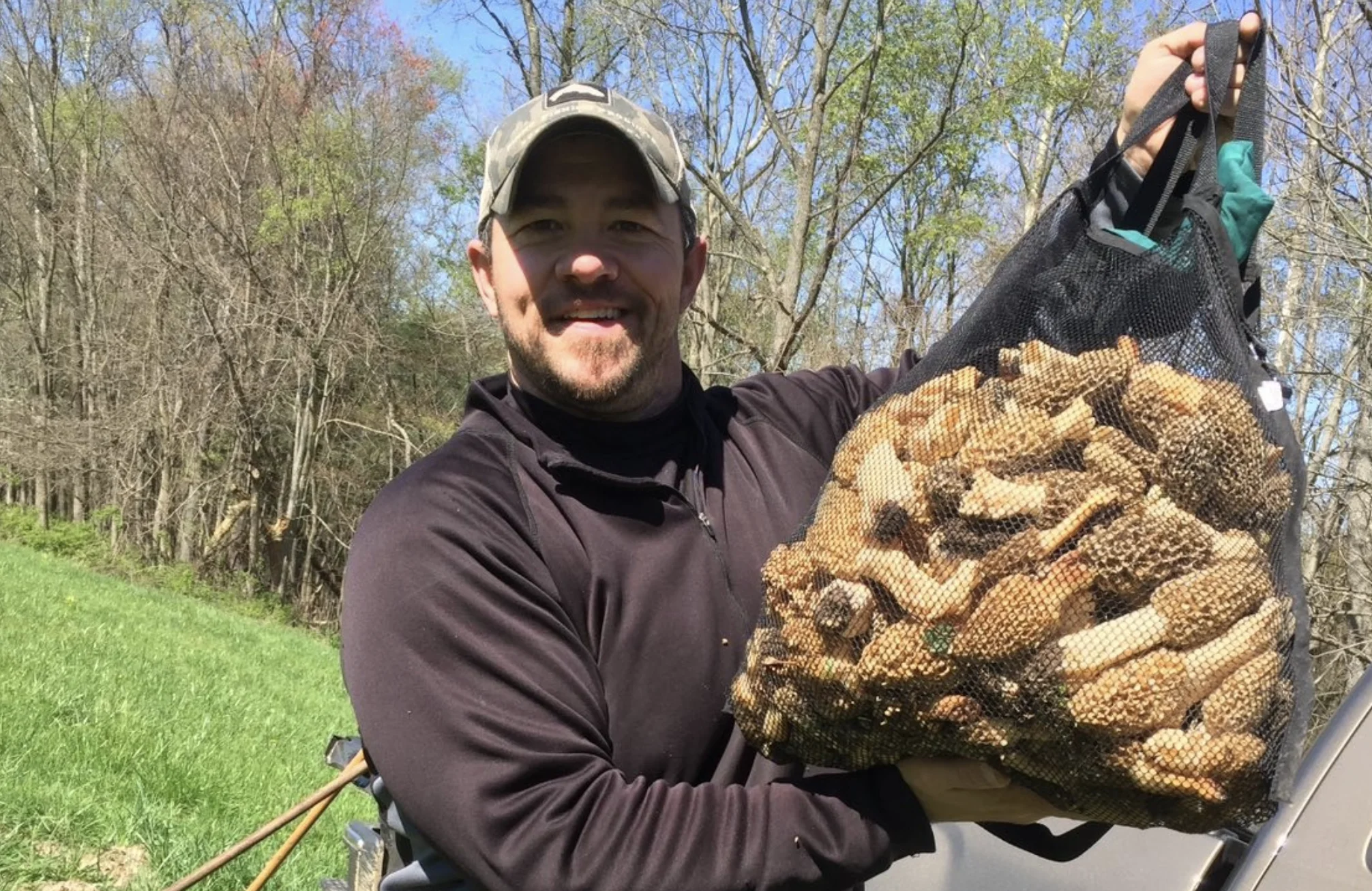
Morel mushroom season is underway in Ohio, drawing foragers into forests and parklands across Knox County and surrounding areas as warming spring temperatures trigger one of the state’s most anticipated wild food harvests.
The season typically runs from March through May, with mushrooms appearing earlier in southern Ohio and later in the north as soil temperatures rise. The short harvest window and high demand contribute to their value, as morels are difficult to cultivate and are primarily gathered from the wild for chefs and home cooks.
Wildlife officials with the Ohio Department of Natural Resources say timing and habitat are critical, as the elusive fungi often emerge only under specific spring conditions.
In Knox County, some of the most commonly used public areas for morel hunting include the Kokosing Gap Trail margins, Kokosing Nature Preserve, the Brown Family Environmental Center at Kenyon College and Honey Run Highlands Park.
Within those sites, experienced foragers search wooded terrain with moist, undisturbed soil. Morels are most often found near the base of elm, ash, aspen, cottonwood and oak trees, particularly around dead or dying trunks. They may also appear beneath thick leaf litter, along shaded trail edges or in areas recently disturbed or burned.
Ohio is home to three primary types of morels. Early-season black morels are often found near ash trees in small patches. Mid-season common morels are the most abundant and frequently appear near elm, ash and apple trees. Late-season morels are smaller and less commonly found in large quantities.
Officials also caution that false morels, which resemble true morels, can be dangerous and may cause serious illness or death if consumed, particularly when found near decaying oak stumps. Because of this risk, beginners are encouraged to forage with experienced guides or rely on verified resources such as the Ohio Mushroom Society or the Ohio Department of Natural Resources.
The season in central Ohio generally peaks from late April through May, when daytime temperatures reach the 50s and 60s and nighttime lows remain in the 40s. Natural cues such as blooming lilacs, bluebells and dandelions, along with warm rains, are widely considered signs of favorable conditions. Even in familiar locations, morels can be difficult to spot due to their ability to blend into the forest floor, making careful observation and persistence essential for success.
Mushroom hunting is allowed in many Ohio state parks and forests, as well as state forests and wildlife management areas, though regulations vary by site. Many parks require collectors to stay on designated trails, and off-trail collecting is prohibited. Visitors are advised to contact individual park offices before gathering.
Public lands within driving distance of Knox County also draw seasonal hunters, including Mohican State Park, about 20 to 25 miles away. Alum Creek State Park is roughly 45 to 50 miles from Mount Vernon, while Deer Creek State Park sits 75 to 85 miles away. Farther out, Tar Hollow State Park is about 90 miles away, Zaleski State Forest is 110 miles away and Wayne National Forest spans roughly 120 miles depending on access points.
The state also supports a long-established community of mushroom enthusiasts through the Ohio Mushroom Society, founded in 1973, which brings together hobbyists and professionals to promote education and appreciation of wild fungi.
Longtime forager Gary Franklin Klingel of Gambier shared observations from 30 years of hunting in a post to the Rooted In Ohio Facebook page, noting that most of his finds occur in late April and early May in Knox County.
“Majority of Morels I've found were last couple days of April and 1st week of May,” Klingel said. “I hunt Knox County.”
Comparing seasons across regions, he noted that Ohio is roughly a month behind Oklahoma, where he observed early morel activity beginning in early April.
“I'm not saying to not hunt but don't get frustrated,” Klingel said.
As spring continues, officials say successful hunts will depend on timing, knowledge of habitat and a careful eye in the woods. Kelly Schott of the Ohio Department of Natural Resources Division of Wildlife said in a video statement that spring is a peak time for wildlife and mushroom activity.
“My favorite spring pastime is turkey hunting in southeast Ohio on my husband's family farm turkey season runs from mid-April to mid-May which coincides perfectly with songbird migration and morel mushrooms which are two things I love to look for in the woods while I'm turkey hunting,” Schott said in the video. “These are yellow morels that popped up in late April and are perfect for pickings.”
She stressed proper identification and preparation. “Once the warmer spring weather arrives when looking for morels you need to be able to correctly identify them,” Schott said. “Thankfully they are very distinctive with a honeycomb like top and a hollow stem.”
Schott described common types of morels and proper harvesting techniques, adding that picking should be done by pinching the mushroom at the base to protect underground mycelium and support future growth. She also advised cutting mushrooms in half and washing them thoroughly before cooking, often with onions and served alongside venison or wild turkey.
Schott also emphasized how quickly the season moves.
“They usually pop up quickly and then they also rot away pretty quick too,” she said. “Sometimes when you pick them they actually fall apart right in your hands.”
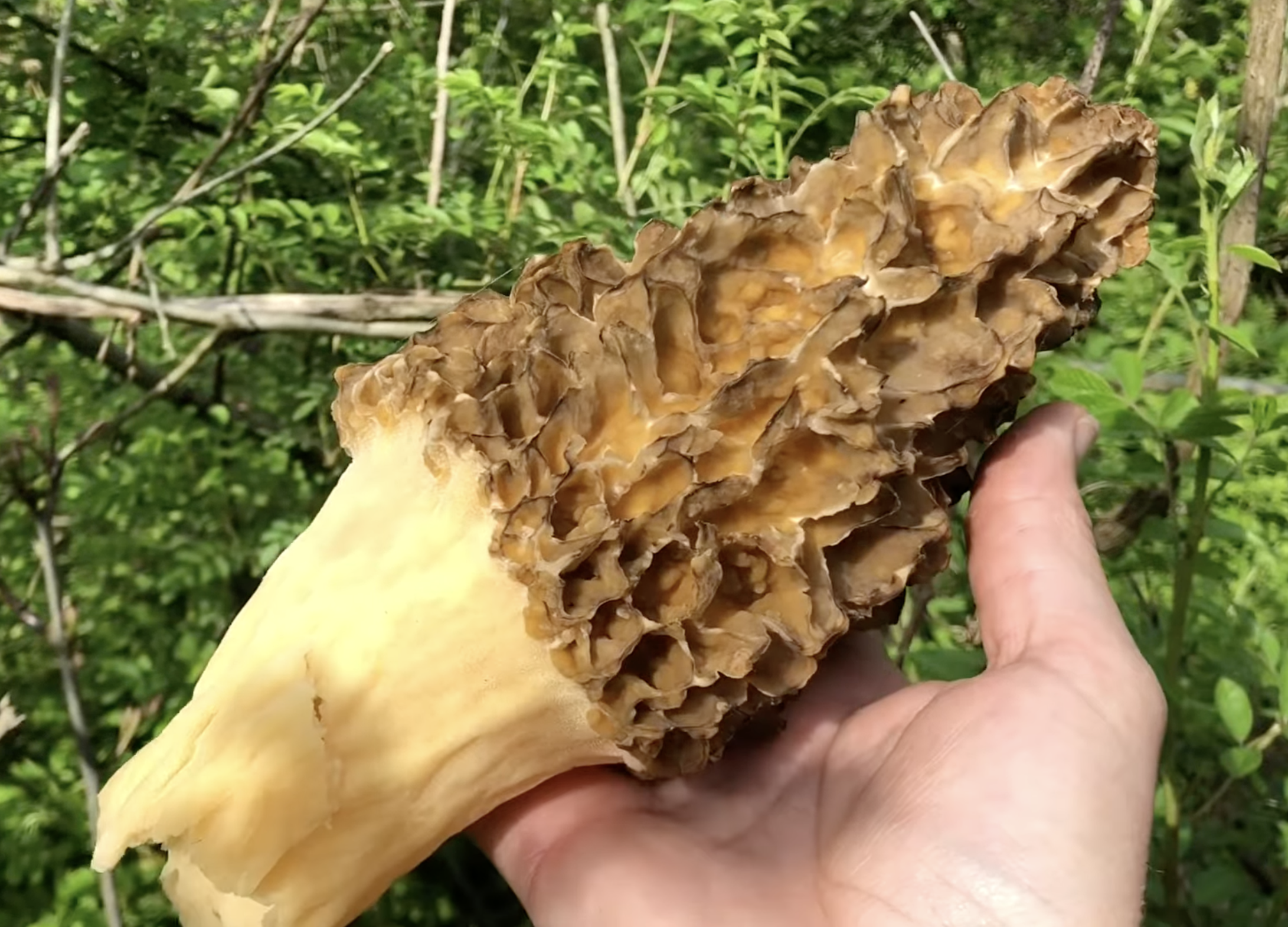
Ohio wildlife specialist Kelly Schott holds a freshly harvested morel while guiding viewers through a spring hunt in Knox County forests. (YouTube / Ohio Department of Natural Resources)